
63 stations (16 underground stations)
109km rail line
12,000,000 ridership per month
MRT, LRT & MONORAIL Advertising
Why Does Train Advertising Achieve High Recall Rate?
- ◆ Cumulative awareness building – repeat commuter exposure amplifying sustained brand presence
- ◆ Psychological impact strength – enclosed transit environment maximizing message penetration
- ◆ Comparative advantage metrics – outperforming traditional billboard and digital advertising channels
- ◆ 95% brand recall achievement – establishing train advertising as premium channel performance leader
- ◆ Captive audience dwell time – 20-30 minute exposure guaranteeing thorough message absorption
- ◆ High-frequency message delivery – unskippable advertisements building dominant brand recognition
- ◆ Optimal retention conditions – passive transit viewing enabling maximum message processing
Why Are Train Ads More Cost-Effective Than Traditional Methods?
Competitive pricing advantage makes train advertising cost-efficient compared to traditional outdoor advertising channels like billboards and highway placements overall.
Creative format flexibility including wraps, panels, and innovative display solutions enables diverse creative executions within single transit advertising investment.
Scalable investment options accommodate various budgets and timelines allowing businesses of different sizes accessing train advertising regardless financial constraints.
Sustained ROI delivery provides long-term value across extended campaigns maximizing return on advertising investment over multiple months successfully.
Performance tracking capability enables measurable foot traffic and awareness metrics providing data-driven insights into campaign effectiveness and audience response.
Budget optimization maximises impact within financial constraints allowing brands achieve superior results without excessive spending or wasteful campaign allocation.
Entry-level affordability makes train advertising accessible for first-time transit advertisers enabling market entry without substantial financial barriers or requirements.
Train Advertising Offers Versatility and Cost-Effectiveness
- ◆ Multiple format options – wraps, interior panels, and creative display solutions
- ◆ Brand partnership opportunities – sponsorship integration throughout transit networks
- ◆ Interactive passenger experiences – activation placements enabling audience engagement
- ◆ Seamless environmental integration – ambient advertising blending naturally into transit spaces
- ◆ Multi-channel messaging – retail and commercial partnerships amplifying brand presence
- ◆ Budget scalability options – accommodating various investment levels and timelines
- ◆ Long-term ROI potential – sustained value delivery across extended campaign periods
Any Platforms, Any Formats.
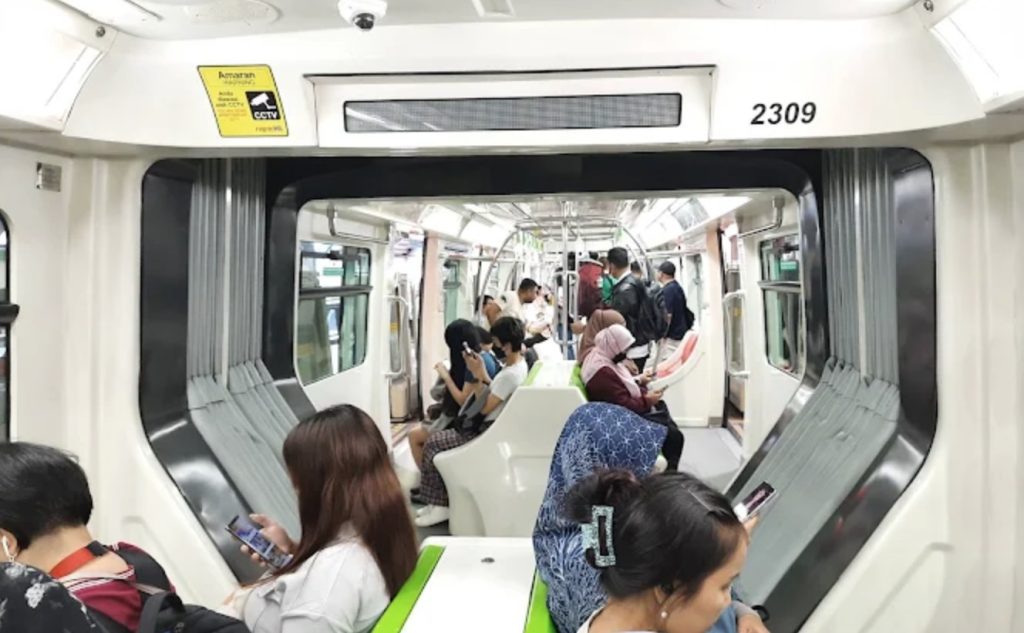
Mobile Advertising Delivers Superior Message Effectiveness
- — Experiential brand promotion – powerful engagement with receptive commuters
- — Consistent message delivery – capturing attention during peak receptivity windows
- — 75% recall rate validation – exceeding traditional advertising effectiveness benchmarks
- — Measurable brand impact – quantifiable awareness and recall improvements
- — Engagement optimisation – strategic timing during commuter receptivity periods
- — Dynamic content delivery – changing messaging to match audience segments
- — Emotional connection building – authentic brand narrative integration
Diversified Audience Reach
- ★ Working professional segment – business commuters with purchasing authority
- • Retail shopper engagement – consumer-focused purchasing decision makers
- ○ International visitor access – tourists and travelling professionals
- → Student population reach – younger demographic with emerging purchasing power
- — Local resident connection – neighbourhood community members and families
- ✓ Multi-segment variety – diverse consumer groups with distinct purchasing needs
- * Psychographic diversity – varying lifestyle preferences and value systems
Why Does Strategic Transit Positioning Matter for Advertising?
- ○ Landmark proximity placement – connecting tourist attractions and iconic destinations
- ○ Multi-destination accessibility – reaching offices, retail, education, residential areas
- ○ Comprehensive coverage advantage – accessing all major daily destination points
- ○ Journey integration timing – reaching audiences during transit decision-making moments
- ○ Transit corridor dominance – establishing presence across entire commute pathways
- ○ Destination clustering benefits – multiple location exposure in single campaign
The Passenger Information Display System (PIDS) Explained
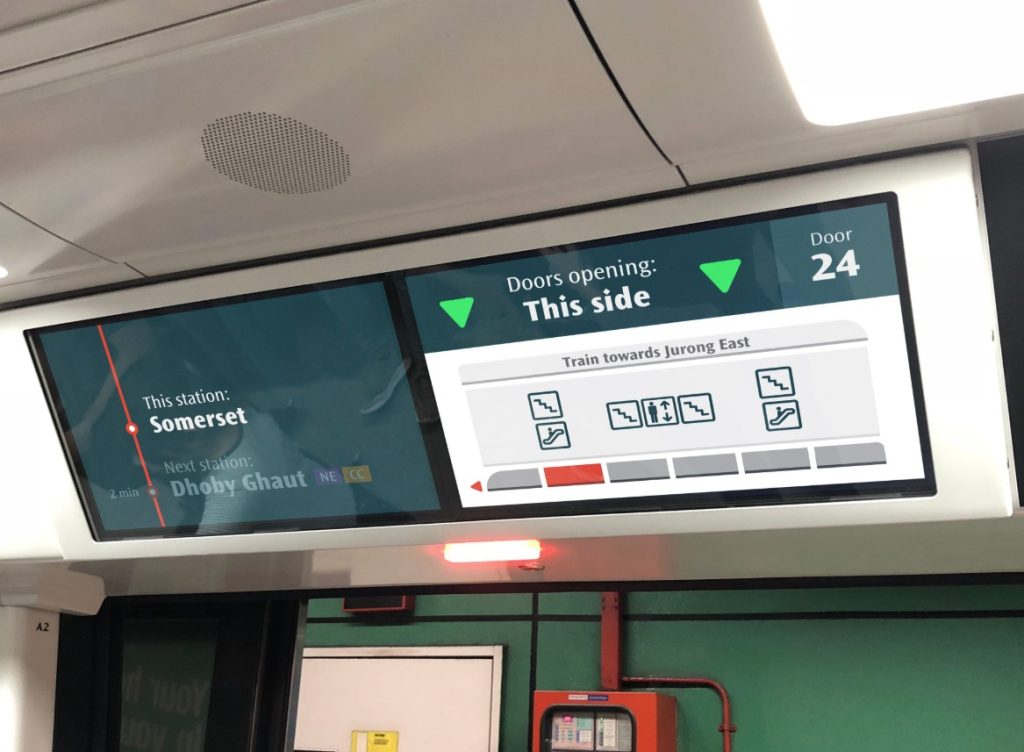
How Much Exposure Can PIDS Campaigns Deliver?
- * Individual spot duration – 15-second continuous advertising spot format
- * Rotation capacity – up to four advertiser or PSA spots per minute
- * Hourly exposure minimum – 60 cumulative advertiser exposures daily
- * Daily impression volume – approximately 1,080 exposures per 18-hour operation
- * Multi-platform configuration – 2 stations with 2 PIDS displays equals 4 total units
- * Monthly total reach – 129,600 cumulative exposures per advertiser monthly
- * Frequency amplification – multiple exposures per commuter during daily transit
- * Peak period coverage – maximum reach during highest-traffic commute times
PIDS (Passenger Information Display System) Advertising at Platforms represents cutting-edge digital advertising integration within modern transit environments. Currently operational at Putrajaya line MRT stations, this innovative platform delivers targeted messaging to commuters during peak transit periods. Rapid expansion plans include Kajang line MRT stations extending comprehensive digital coverage across major metropolitan transit corridors nationwide.
PIDS Advertising Technical Specifications
- ✓ Video format standard – 15-second content without audio requirements
- ✓ Aspect ratio specification – 16:9 widescreen format optimization
- ✓ Resolution requirement – 1390 pixels width by 656 pixels height
- ✓ File format compatibility – MOV and MP4 format support
- ✓ Video quality delivery – HD format ensuring rapid streaming capability
- ✓ Display technology – modern LED platform with high brightness
- ✓ Content flexibility – rotating messaging across multiple time periods
- ✓ Technical support – platform maintenance and troubleshooting services

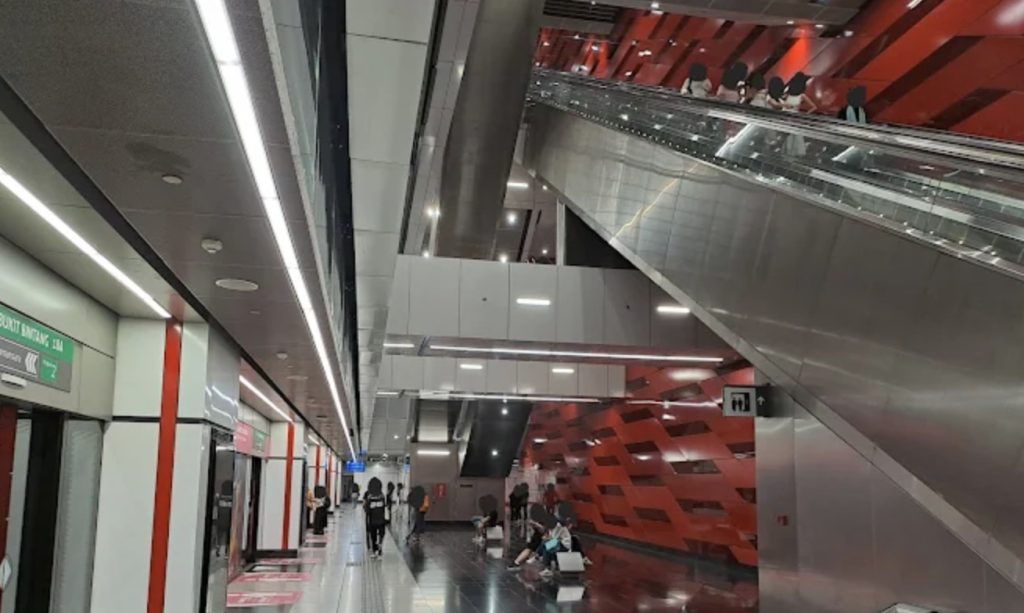
How Can Strategic Positioning Improve Target Audience Connection?
Premium positioning strategy places advertisements near business districts and commercial hubs reaching affluent professionals during peak commuting periods.
Affluent audience access enables reaching high-income professionals and executives possessing significant purchasing authority and discretionary spending capabilities daily.
Geographic territory control allows route-specific audience connection targeting commuters in desired geographic areas and neighbourhood preferences effectively.
Peak traffic optimization maximises exposure during high-passenger periods ensuring maximum visibility and frequency among target demographic audiences.
Precision audience targeting reaches most valuable consumer segments matching brand objectives and customer profiles precisely through strategic placement.
Neighbourhood affluence focus targets wealthy residential and commercial areas accessing upscale communities with strong purchasing power indicators.
Market segmentation ability enables tailoring campaigns to specific demographics ensuring messages resonate with intended audience preferences and values.